How solar panels work
Panels on your roof convert daylight into direct current, and an inverter converts that into the electricity your home uses. Anything you don't use is either stored in a battery, if you have one, or exported back to the grid.
Compare solar options and connect with suitable installers based on your home and requirements.
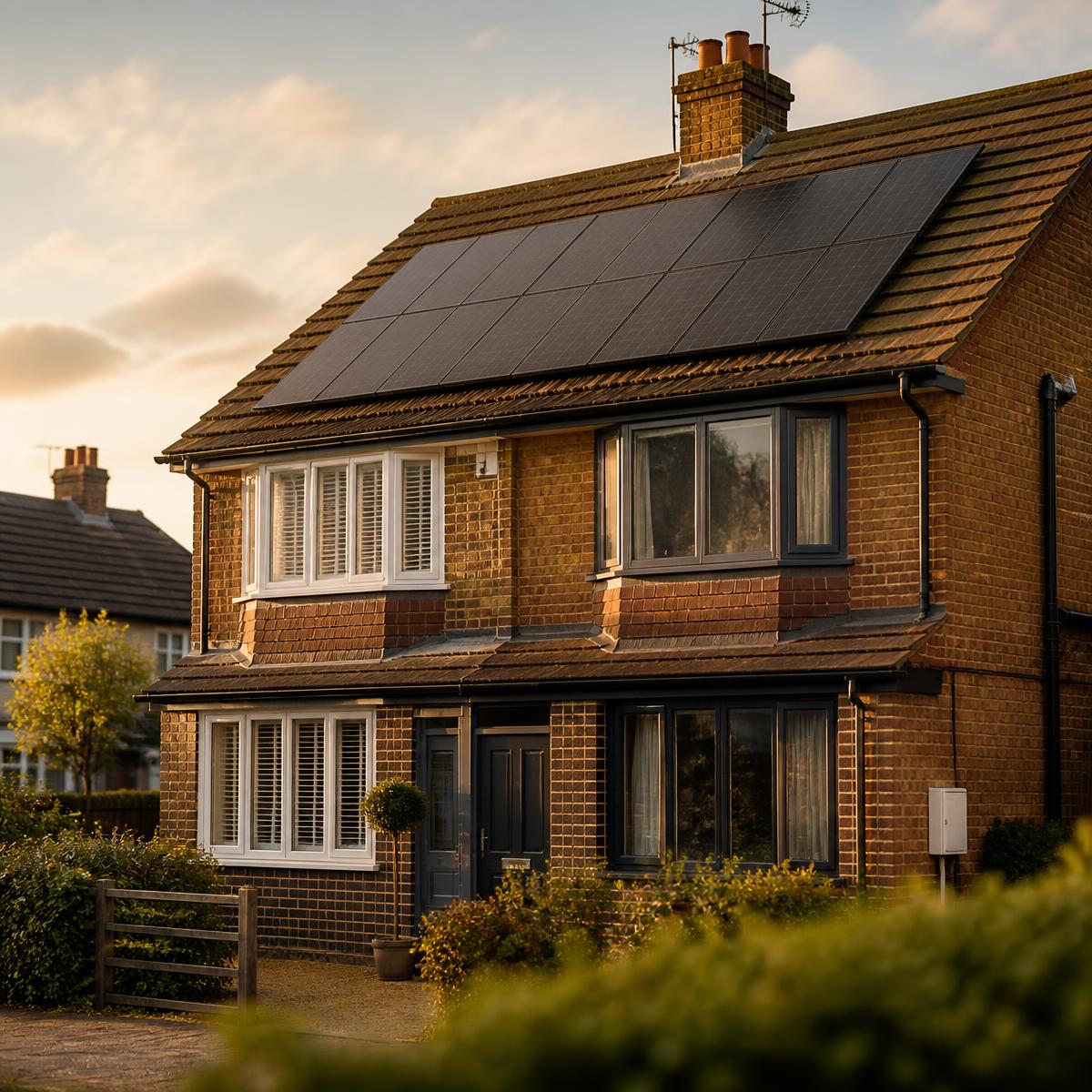
Panels on your roof convert daylight into direct current, and an inverter converts that into the electricity your home uses. Anything you don't use is either stored in a battery, if you have one, or exported back to the grid.
A battery lets you use more of what you generate rather than exporting it. It adds to the upfront cost and suits some households far better than others — typically those at home in the evening, or on a tariff that rewards shifting usage.
Solar can reduce what you buy from the grid, but the amount varies enormously between homes. Anyone promising a guaranteed saving before assessing your roof, your usage and your tariff is not giving you a reliable figure. A proper installer will model it from your own consumption data.
Two homes on the same street can be quoted very differently. The variables below are the usual reasons.
South-facing roofs generally perform best in the UK, but east–west arrays are extremely common and work well. Shading from chimneys, trees and neighbouring buildings matters more than most people expect, as does the condition and remaining life of the roof covering itself.
Most domestic installations fall under permitted development, but listed buildings, conservation areas and some flat-roof mounting systems can be exceptions. Your installer should confirm this before work begins.
Panels still generate in diffuse daylight, just less than in direct sun. UK systems are designed around realistic annual output rather than peak summer days.
A typical domestic install is completed in one to three days, plus scaffolding time either side.
MCS certification is the standard for domestic solar in the UK, and it's usually required to access export tariffs.
Take these into your first conversation. They make quotes far easier to compare and they tell you a lot about who you're dealing with.
Pickwise is a comparison and research service, not a contractor or installer. Our service is free for homeowners; we may receive a fee from the companies we connect you with.